Tracking
Track your device in real time with precise location updates.
Group Safety
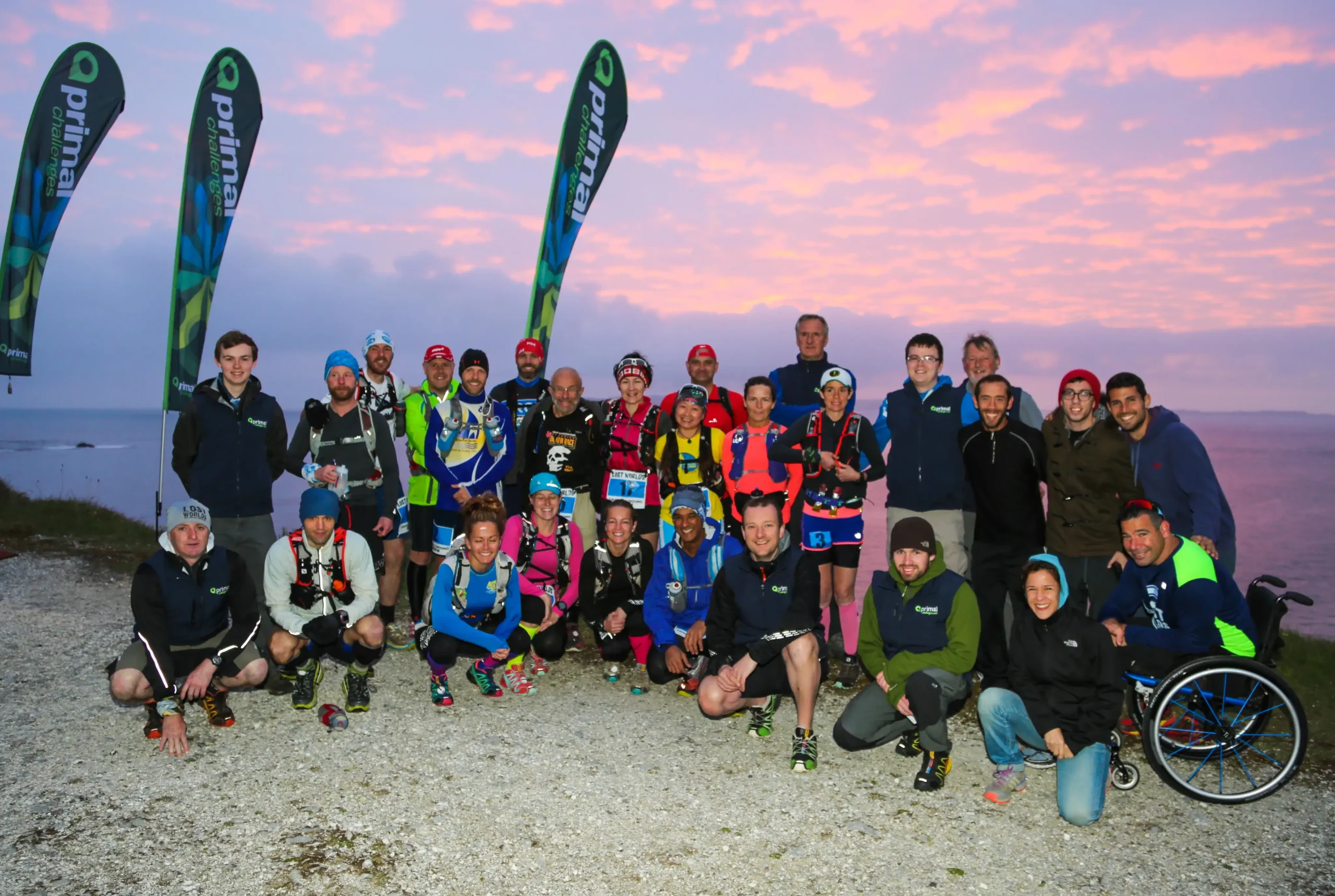
Using GPS tracking in organised group events—such as running races, charity walks, or corporate cycling challenges—adds a significant layer of safety and accountability. Event organisers can monitor participants in real time, ensuring that anyone who falls behind, deviates from the route, or encounters difficulty can be quickly identified and assisted. This is particularly valuable in large-scale or remote events where manual supervision is limited. In emergencies, precise location data can drastically reduce response times, potentially preventing minor issues from becoming serious incidents.
Beyond safety, GPS tracking enhances the overall experience for both participants and supporters. Runners, walkers, or cyclists can track their own progress, pace, and distance, which adds a motivating, performance-oriented element to the event. At the same time, friends, family, and sponsors can follow participants live, creating a more engaging and interactive atmosphere. This visibility is especially useful in charity or corporate fundraising events, where supporters feel more connected to the cause when they can see progress unfolding in real time.
From an organisational perspective, GPS data provides valuable insights that can improve future events. Route efficiency, congestion points, and participant flow can all be analysed afterward, helping organisers refine logistics and enhance safety planning. It also helps verify participation and completion, which is important for fundraising transparency—ensuring that pledged distances or challenges are genuinely completed.
Finally, GPS tracking strengthens trust and credibility, particularly in corporate or charity settings. Sponsors and donors are more likely to contribute when there is clear evidence of participation and progress. It demonstrates professionalism, accountability, and a commitment to participant welfare—all of which are crucial for building a strong reputation and encouraging repeat involvement in future events.